






Reason 1: Low Awareness and Visibility
Why it fails
A surprising number of workplaces only mention their EAP during onboarding or when something goes wrong. After the initial rollout, the program slowly fades into the background. Staff don’t remember who the provider is, what they offer, or how to access them. In some cases, employees don’t even realise the service is still active.
Awareness is not a one-time activity — it’s a behavioural science principle. People take action when something is:
consistently visible
easily accessible
and personally relevant
Traditional EAPs are often the opposite: they sit behind long phone menus, out-of-date brochures, or a generic email address. If an employee has to search for the number, or dig through old handbooks to find login details, the likelihood of them reaching out drops dramatically.
Even when employees are struggling, they won’t use something that feels distant, unclear, or forgotten.
What to do instead
A modern wellbeing program should stay top-of-mind without feeling pushy. That means:
Building a rhythm of reminders. Quarterly or monthly EAP awareness messages ensure the program never fades into the background.
Embedding wellbeing into everyday communication. This could be a simple mention at team meetings, posters in staff areas, or reminders in onboarding checklists.
Positioning the EAP as something for everyday stress. When employees only hear about it in crisis moments, they assume it’s only for serious issues. Normalising it as a support for general life stress significantly increases usage.
The goal is simple: your people should never have to ask, "Where do I find the EAP?"

Reason 2: Lack of Trust
Why it fails
Even when employees know the EAP exists, many never reach out because they aren’t confident about how confidential it truly is. People worry that:
Attendance might be reported back
Their manager might find out
HR might be notified if they book
Their personal details might be shared
When psychological safety is low, help-seeking behaviour becomes extremely unlikely.
It’s important to understand that employees’ perception of confidentiality matters just as much as the actual policies. If there is even a small doubt, people won’t risk vulnerability in a workplace setting.
Additionally, many staff have had negative past experiences with external support services — long wait times, impersonal phone triage, or feeling like they’re being “screened.” This can reinforce the belief that the EAP is not safe or genuinely supportive.
What to do instead
A trustworthy EAP requires consistent, transparent communication. That includes:
Explaining confidentiality clearly and frequently. Staff should understand what is and isn’t shared, how their privacy is protected, and what data the employer receives (usually only aggregated trends).
Training managers to reinforce trust. If managers communicate inaccurately — even unintentionally — it undermines the entire program.
Showing staff real scenarios. Without identifying anyone, describing common ways people use the EAP makes it feel relatable and safe.
When employees trust that using the EAP is private and judgment-free, engagement increases dramatically.

Reason 3: Long Wait Times and Difficult Access
Why it fails
Traditional EAP models were designed decades ago, before smartphones, instant booking, or digital-first support. Most still rely heavily on:
Hotline triage
Call-back systems
Referral processes
Manual scheduling
Long waitlists for appointments
Limited after-hours availability
This means employees often need to explain their situation to multiple people before they can even book a session. By the time the first available appointment appears, the urgency has passed — or worse, the employee has given up altogether.
For someone who has built up the courage to seek help, any delay — even 24–48 hours — can be enough to stop them from continuing.
What to do instead
A high-functioning EAP should feel immediate and frictionless. That means:
Direct booking without triage. If someone needs support, they should be able to choose a counsellor and a time instantly.
Appointment availability outside business hours. Evening and weekend times matter, especially for shift workers, parents, and frontline staff.
Clear, simple access pathways. No referrals. No callbacks. No waiting for someone to email them back.
Support should be available at the exact moment someone decides to reach out — not days later.
Reason 4: Minimal Data and No Actionable Insights
Why it fails
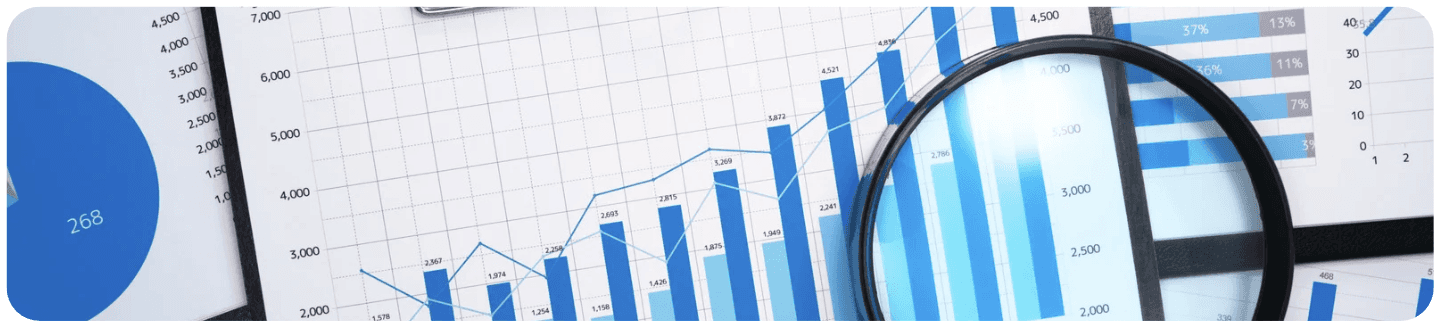
Most EAP reports are generic, infrequent, and too surface-level to be useful. Leadership teams want insight into:
Common topics staff are struggling with
Trends over time
How quickly staff are being seen
Gender- or role-specific patterns
Levels of engagement
But traditional EAPs often provide only a basic annual or biannual report with vague categories like “stress,” “personal issues,” or “workplace concerns.” There is no level of depth that helps HR understand what’s really happening inside the organisation or where proactive support is needed.
Without insight, the EAP becomes reactive — a tool used only after issues become problems — instead of a resource that can guide better wellbeing strategies.
What to do instead
A modern EAP should act as a wellbeing intelligence layer. That means:
Frequent reporting. Monthly or quarterly summaries create visibility and help track trends.
Detailed, meaningful categories. Reports should highlight common themes, usage rates, session breakdowns, and improvement patterns.
Insight-driven recommendations. HR should be able to see not just what happened, but what to do next.
Good data turns an EAP from a cost into a strategic asset.
Next Step: Get a Full Breakdown of Your EAP Performance
If you’d like a clearer picture of where your program stands today, you can take the 2-minute EAP Audit Quiz, which instantly identifies your program’s strengths, risks, and improvement opportunities.
This helps you understand whether your current EAP is fit for 2026 and beyond.